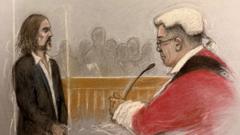
After the verdict, Detective Superintendent Andy Furphy paid tribute to the “extraordinary courage, resilience and determination of the women who came forward and reported what happened to them”.
“Despite intense media and public scrutiny, they relived deeply personal and traumatic experiences and placed their trust in us. Without their bravery, this outcome would not have been possible,” he said.
“Brand used his influence, status and fame to exploit and sexually offend against women. As his profile grew, so too did his sense of entitlement.”
He added: “I hope this conviction sends a clear message that no one is above the law, no matter how famous or powerful they may be.”
David Roberts, senior crown prosecutor in the London rape and serious sexual assault unit, described Brand as “predatory”.
“He was a manipulator with an insatiable desire to get what he wanted regardless of whether consent was given or not,” he said.
“As his career took off, he seized opportunities to assault the women around him. Although his tactics varied, at the centre of every assault was an abuse of power and sexual greed, with a complete disregard for the impact of his actions.
Ron Brand, Russell’s father told the BBC he was “bemused and shocked” by the verdicts, adding: “I just didn’t expect this – it’s wrong… it’s devastating.”
In his evidence, Brand admitted using his fame to “facilitate sexual access” and being “obsessed” with sex and “extremely promiscuous” in the past.
He said he had “dedicated a lot of my life to what seems now beyond reckless, philandering, and idiocy”.
But he insisted the sex was always consensual, and he denied all the charges.
His barrister told jurors that Brand “had an immense amount of sex”, but that “none of it was unlawful”.